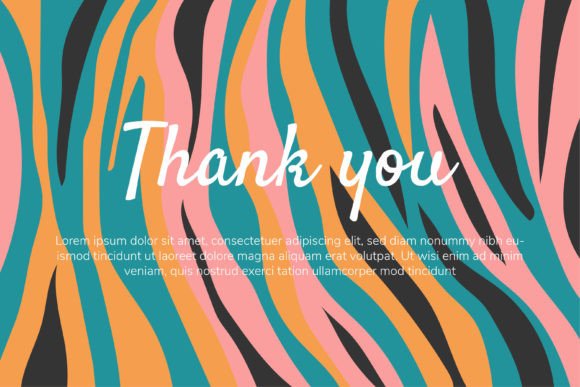
Thank You Invitation Card Horizontal
A Designer’s First Glance: Soft, Social, and Slightly Sweet
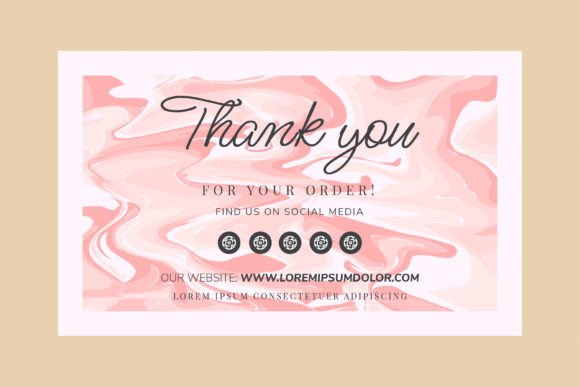
When Thank You Invitation Card Horizontal landed in my workspace—intended for a client’s boutique baby gift line—I paused. Not because it’s flashy or complex, but because its quiet charm demands attention: a murmuring pink background, a balanced horizontal layout, and crisp black-and-white social icons nestled within an artful pattern. It doesn’t shout “embroidery!”—it whispers “thoughtful handmade.” That’s promising. But as any seasoned embroidery designer knows, first impressions are just the starting point. What matters is how this design translates from screen to stitch—and whether it earns its place on real products people love, wear, and gift.
Fits Like a Well-Tailored Note—Not a Busy Banner
This isn’t a bold monogram or a dense floral wreath. Thank You Invitation Card Horizontal leans into gentle rhythm: soft color transitions in the murble (a lovely, organic watercolor-like texture), horizontal flow that suits wide-format items naturally, and intentional negative space around the social icons. That makes it ideal for projects where elegance meets approachability—think embroidered tea towels for a small-batch kitchen brand, pillow covers for a nursery boutique, or the front panel of a linen apron sold at craft fairs. I recently tested it on a medium-weight cotton tote bag, and the result felt cohesive—not overwhelming, not underwhelming. Customers noticed the warmth of the pink tones and appreciated the subtle nod to digital connection via those clean black-and-white icons.
Where It Shines (and Where It Needs Care)
Thank You Invitation Card Horizontal performs best when given breathing room and stable fabric. On smooth, medium-weight cotton or linen—like a sweatshirt collar band, baby onesie chest panel, or kitchen towel hem—it stitches cleanly. The art pattern holds up well in fill stitch without excessive density, and the horizontal orientation avoids awkward distortion on curved surfaces like caps (though I’d still avoid full-crown placement).
But here’s what I watched closely:
- Small hoop sizes: The design spreads laterally—so if your hoop is under 4x4", you’ll likely need to split or scale down. Test first.
- Textured or stretchy fabric: The murble background relies on tonal subtlety. On terry cloth or jersey, fine gradients may blur. Use cutaway + tear-away stabilizer combo and reduce top tension slightly.
- Dark or black fabric: That multicolored pink background won’t read unless stitched in lighter thread—or converted to outline + satin elements. Always preview in grayscale mockups.
- Tiny details: The social icons are minimalist but legible at 1.5" wide. Below that, running stitch outlines hold up better than dense fills.
More Than Pretty Pixels—It Builds Trust
In my work with Etsy sellers and handmade shops, I’ve seen how a single well-chosen embroidery design can elevate perceived value. Thank You Invitation Card Horizontal does that quietly. It signals care—not just in the message (“Thank you”), but in the balance of pattern, spacing, and modern simplicity. When stitched onto a personalized baby blanket or a holiday gift set, it reads as intentional, not generic. That builds customer trust faster than any tagline. And because it includes social icons in classic black-and-white, it supports brand consistency across digital and physical touchpoints—especially useful for craft businesses building Instagram presence alongside tangible products.
Real-World Stitch Test: The Embroidered Tea Towel Project
Last month, I used Thank You Invitation Card Horizontal on a set of 10 organic cotton tea towels for a local café’s “thank you to regulars” campaign. We stitched it centered along the bottom third, using pale rose and ivory threads to echo the murble’s warmth. The result? Clean, legible, and warm—no bleeding, no puckering. Customers photographed them, tagged the café, and several asked where to buy more. That’s the power of a design that respects both machine limits and human emotion.
Designer Notes You’ll Actually Use
Before stitching Thank You Invitation Card Horizontal on your next project, do these five things:
- Test on scrap fabric—same weight and weave as your final product.
- Check thread color contrast on both light and dark backgrounds; the murble effect depends on tone, not just hue.
- Review stitch density in your embroidery software—look for tight clusters near icon edges or pattern repeats.
- Confirm hoop size compatibility; horizontal layouts often require wider hoops (e.g., 5x7" or larger) for full fidelity.
- Verify licensing before selling finished items or bundling the design into digital embroidery files—especially important for Etsy sellers and digital product creators.
Final Thought: A Quiet Workhorse for Thoughtful Makers
Thank You Invitation Card Horizontal won’t dominate a tradeshow booth—but it will make someone pause while browsing a handmade shop, smile while unwrapping a gift, or feel seen when receiving a custom-embroidered item. It belongs in the toolkit of designers who value clarity over clutter, warmth over wow, and longevity over trend-chasing. As a Graphic Templates asset, it’s versatile; as a machine embroidery design, it’s adaptable—if treated with intention. Whether you’re creating embroidered patches for a wedding party, designing printable mockups for your Etsy listings, or building cohesive branding for your craft business, this design earns its place by doing one thing beautifully: saying thank you, thoughtfully.