Mono Tribal Pattern4: Graphics & Patterns for Real Crafting
First Impressions: Bold, Festive, and Ready for Handmade Business
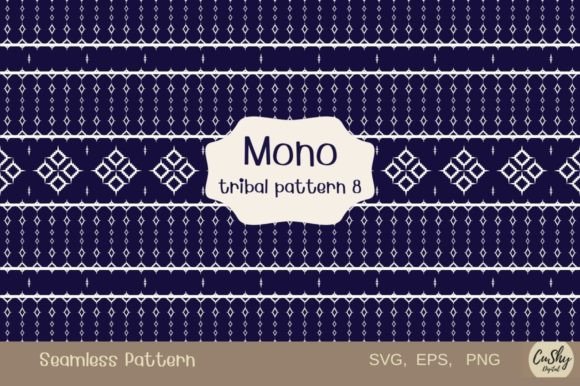
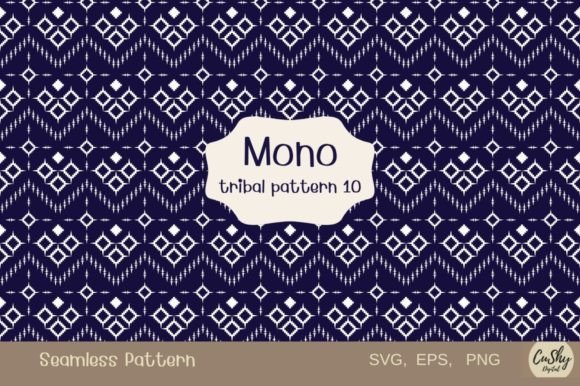
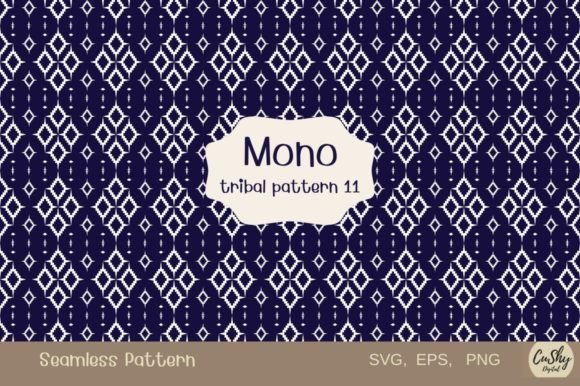
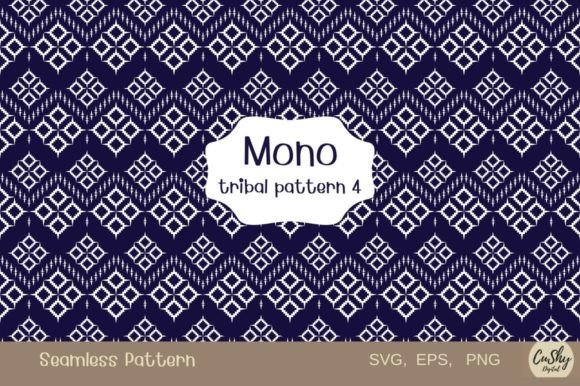
The moment I opened Mono Tribal Pattern4, I felt that familiar spark—the kind that happens when a graphic design asset *just fits* your current collection. It’s not overly busy, but it carries weight: clean black-and-white contrast, rhythmic repetition, and subtle Native-inspired motifs that read as respectful, decorative, and timeless—not trendy or fleeting. This isn’t “cute” or “minimalist.” It’s bold, grounded, and quietly elegant—perfect for crafters who sell to customers drawn to authenticity, cultural resonance, and artisanal integrity. Think festival-goers, wedding guests, boutique shoppers, and gift buyers seeking meaningful souvenirs—not generic clipart.
Where Mono Tribal Pattern4 Shines in Real Craft Projects
I tested Mono Tribal Pattern4 across six product types I’m currently prepping for an Etsy holiday launch: ceramic mugs, cotton tote bags, vinyl sticker sheets, printable gift tags, sublimation tumbler wraps, and planner sticker sets. Here’s where it truly delivered:
- Cricut & Silhouette projects: The SVG file imported cleanly—no stray nodes or overlapping paths. I resized it to 8" wide for a full-wrap mug design and cut flawlessly on matte black vinyl. No jagged edges, no double-cutting.
- Sticker & printable design: As a PNG with transparent background, it layered beautifully over kraft paper mockups and pastel-colored planner pages. Its seamless repeat made it ideal for border strips and full-sheet sticker backings.
- Tote bags & apparel: Printed on natural canvas via DTG, the pattern held crisp detail even at 12" x 12". It reads as premium—not pixelated or washed out—especially when paired with a simple serif font for shop branding.
- Gift tags & party favors: I used a 2" square crop for printable tags—printed on thick cardstock, it looked hand-stamped, not digital. Customers love that tactile impression.
- Sublimation tumbler wraps: At 300 DPI and CMYK-ready (confirmed in Photoshop), it transferred evenly on white tumblers with zero ghosting or banding.
- Digital product bundles: I dropped it into a “Festival Collection” printable pack—wall art, journal prompts, and gift wrap sheets—and it unified the whole set visually without overwhelming other elements.
Smart Pairings: Fonts, Colors, and Product Contexts
Mono Tribal Pattern4 works best when treated as a *foundation*, not a focal point. I paired it with:
- Serif fonts (like Playfair Display) for elegant gift tags and wedding favor labels;
- Handwritten fonts (like Pacifico) for playful festival stickers and market banners;
- Thin sans serifs (like Montserrat Light) for modern tumbler wraps and minimalist tote designs.
It looks striking on both white and dark substrates—but I recommend testing print samples first. On navy canvas, the black lines pop with authority; on cream paper, it feels warm and organic. Avoid pairing it with overly ornate scripts or clashing tribal motifs—it’s strong enough to stand alone.
Where to Use Mono Tribal Pattern4 With Intention (Not Assumption)
This isn’t a “drop-and-go” asset for every use case. Here’s where I paused—and why:
- Small sticker cuts (under 1"): The fine interior linework risks breaking or lifting during weeding. I simplified the repeat by removing inner dots for my 0.75" circle stickers—cleaner cut, stronger adhesion.
- Layered vinyl projects: Don’t stack multiple colors directly over this pattern unless you’re aligning precisely. The high-contrast geometry makes misalignment glaringly obvious.
- Low-contrast product backgrounds: On light gray mugs or beige kraft boxes, the black lines softened too much. I added a 1-pt white stroke in Illustrator to ensure readability.
- Crowded compositions: When used as a background behind dense text or photos, it competes. Reserve it for clean layouts—single-line quotes, minimal icons, or ample negative space.
Practical Crafter Notes You’ll Actually Use
Before adding Mono Tribal Pattern4 to customer orders or seasonal collections, I always run these checks:
- Test the SVG in Design Space or Silhouette Studio—verify all lines are closed, no hidden layers, and grouping is logical.
- Preview PNG transparency in a layered mockup (I use Placeit)—make sure edges don’t feather or blur.
- Confirm resolution: For sublimation, it must be 300 DPI at final print size. For large-format prints (banners, wall art), check vector scalability.
- Print color tests on your actual printer/paper—black ink density varies wildly between Epson, Canon, and commercial printers.
- Mock it up on real products—not just stock previews. I printed a 4"x4" swatch on my Cricut EasyPress mat to test heat-transfer durability.
- Resize thoughtfully: Scaling down below 3" often loses rhythm; scaling up beyond 24" may reveal minor pixelation in PNG versions—stick to SVG for large cuts.
- Review the commercial license carefully. This asset allows use in physical handmade goods, digital products, and small business branding—but prohibits resale of the raw file or use in POD platforms without extended rights.
Final Verdict: A Workhorse Pattern for Purpose-Driven Makers
Mono Tribal Pattern4 isn’t flashy—but it’s reliable, versatile, and deeply rooted in visual storytelling. It supports my handmade business not by shouting, but by grounding. Whether I’m designing a limited-run festival mug line, building a printable holiday bundle, or creating cohesive packaging for custom gift sets, this seamless decorative pattern adds cohesion, cultural warmth, and quiet confidence. It’s the kind of graphic design asset that disappears into your brand—until someone stops mid-browse and says, “I love the texture of your tags.” That’s the power of intentional patterns. For crafters who value authenticity over algorithm-chasing, Mono Tribal Pattern4 earns its place—not as decoration, but as part of the story you sell.