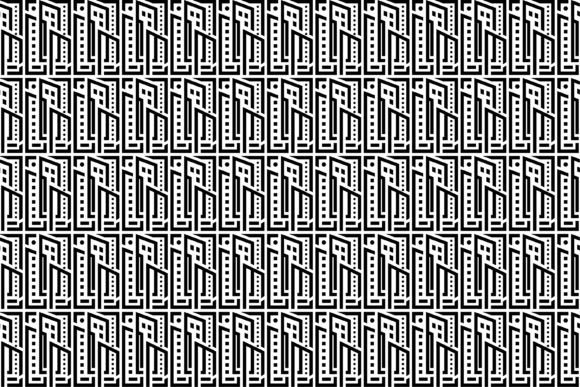
Rectagle Square Pattern Black
A Designer’s First Look: Clean, Urban, and Quietly Confident
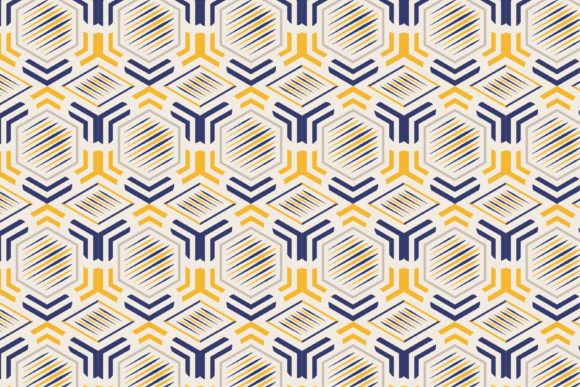
When I opened Rectagle Square Pattern Black, what struck me first wasn’t complexity—it was clarity. This isn’t a busy floral or a playful script. It’s a composed, architectural rhythm: interlocking lines and squares that echo city grids, minimalist floor plans, or stacked apartment blocks. The black-and-white contrast feels intentional—not stark, but grounded. It reads as modern without being cold, structured without feeling rigid. As an embroidery designer who regularly selects patterns for boutique apparel and nursery goods, I immediately pictured it on a heavyweight cotton tote bag—clean, tactile, quietly sophisticated.
Where It Shines in Real Embroidery Projects
Rectagle Square Pattern Black excels where restraint adds value. Think sweatshirt cuffs, pillow cover borders, tea towel hems, or baby blanket corners—places where repetition and geometry elevate the handmade feel without overwhelming the item. On a custom embroidered apron for a local coffee roaster? Perfect. The pattern nods to urban craft culture while staying legible at modest scale. For Etsy sellers offering personalized holiday gifts, this design works beautifully as a subtle repeat along the edge of a linen napkin set or stitched onto the pocket of a unisex cap.
Because it’s built from clean lines and open negative space, it translates well across fabric types—especially medium-weight woven cottons, twills, and stable knits. I’ve used similar seamless patterns as background fills behind monogrammed initials on baby onesies, and Rectagle Square Pattern Black would hold up just as well: no dense satin stitch clusters to pucker delicate fabrics, no tiny isolated elements that vanish when stitched.
Where to Proceed Thoughtfully
This isn’t a one-size-fits-all embroidery file—and that’s a strength, not a limitation. Its line-and-square language demands intentionality. On highly textured fabrics like terry cloth or bouclé, fine linear details may soften or blur; test with your exact fabric and stabilizer combo before committing to a full run. On stretchy materials (think lightweight jersey tees), even moderate line weight can distort if hooping tension or stabilizer choice isn’t dialed in. And on dark fabric, remember: black thread on black fabric disappears. You’ll need white or light gray thread—or reverse the contrast intentionally for a tonal, almost-embossed effect.
Small hoop sizes (under 4” diameter) require special attention. While the pattern is seamless and scalable, tight repeats near corners or edges may compress detail beyond legibility. If you’re planning a small embroidered patch or cap front, zoom in on the vector or raster preview and ask: “Will each square still read as distinct after stitching?” Likewise, avoid layering this over thick seams or curved surfaces (like the crown of a structured cap) unless you’ve tested stitch alignment and thread flow thoroughly.
What It Adds to Your Finished Product—Beyond Aesthetics
Customers respond to coherence. When Rectagle Square Pattern Black appears on a handmade product, it signals thoughtfulness—not just decoration. It reinforces brand consistency for small shop owners curating a cohesive line of kitchen textiles or modern nursery decor. For craft fair shoppers, it reads as intentional design, not clipart. That perception lifts perceived value: a $32 linen pillow cover with this pattern feels more considered than one with a generic swirl.
It also supports giftability. A baby onesie with a subtle repeat of Rectagle Square Pattern Black along the sleeve cuff feels personal but not cutesy—ideal for gender-neutral gifting. And because it’s abstract and non-seasonal, it stays relevant year-round: no reindeer, no hearts, no dated motifs. Just quiet confidence in form.
Practical Notes Every Embroidery Designer Should Run Through
- Test first. Stitch Rectagle Square Pattern Black on scrap fabric matching your final project’s weight, weave, and stretch—even if it’s just a 2” swatch.
- Check thread color contrast on both light and dark backgrounds. Black thread pops on ivory linen; off-white thread reads softly on charcoal sweatshirts.
- Review stitch density before scaling. Tight repeats increase fill stitch count—watch for puckering on lightweight cotton or synthetic blends.
- Confirm hoop size compatibility. Seamless patterns often tile best in larger hoops (5x7” or bigger), but verify how the repeat aligns within your machine’s maximum embroidery area.
- Inspect small details at actual stitch size. Zoom into corners and intersections—do lines meet cleanly? Are squares uniform?
- Use proper stabilizer. A medium tear-away works for stable wovens; add cut-away for knits or high-wear items like tote bags.
- Test black-and-white mockups in your digital workflow—this design lives in contrast, so grayscale previews are more revealing than color ones.
- Verify licensing before selling finished items or bundling Rectagle Square Pattern Black into digital embroidery bundles. Since it’s categorized as Patterns and Graphics, confirm whether commercial use is permitted for your intended application.
Final Thought: A Quiet Anchor in Your Design Toolkit
Rectagle Square Pattern Black won’t shout—but it will settle in. It’s the kind of embroidery file that earns repeat use because it solves real problems: adding structure without clutter, elevating basics without trend-chasing, and giving handmade products a quiet signature. Whether you’re an Etsy seller building a cohesive shop aesthetic, a craft business owner refreshing seasonal merchandise, or a hobbyist stitching personalized gifts for friends, this pattern earns its place—not as a flash-in-the-pan motif, but as a reliable, thoughtful design asset. Just remember: its power lies in how you frame it. Pair it with strong typography, intentional fabric choices, and careful execution—and Rectagle Square Pattern Black becomes more than a pattern. It becomes part of your voice.