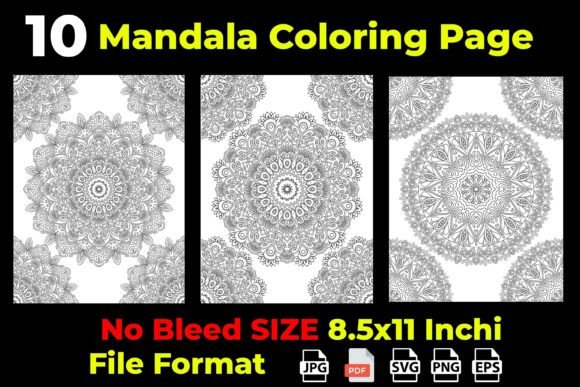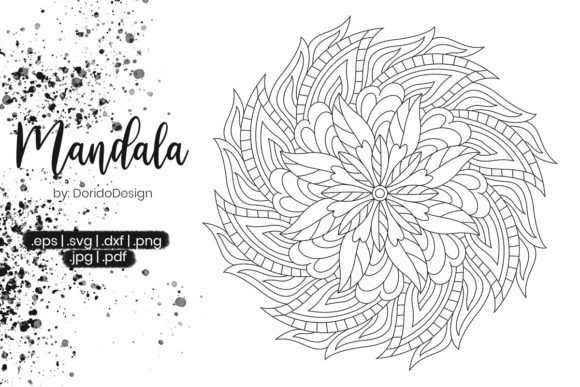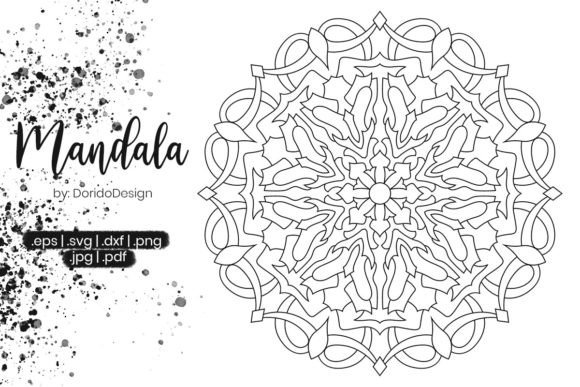
Mandala Coloring Page Vol.067
First Impressions: A Calm, Centered Shape — But Is It Embroidery-Ready?
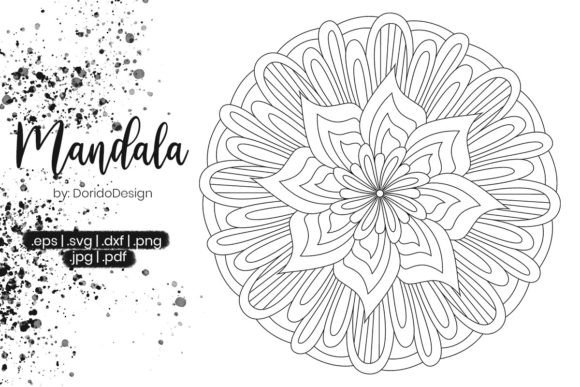
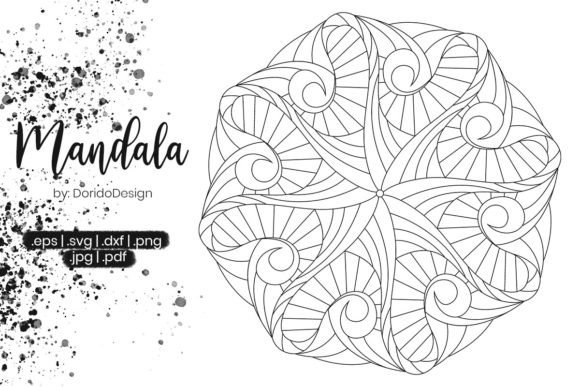
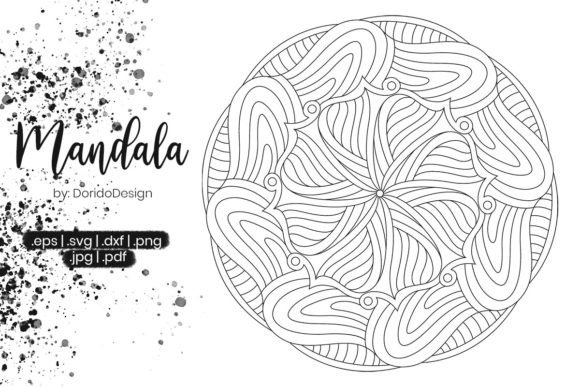
When I opened Mandala Coloring Page Vol.067, my eye went straight to the symmetry — clean concentric circles, balanced petal layers, and a subtle outer frame that feels intentional, not accidental. It’s peaceful without being sleepy; detailed without tipping into visual noise. As an embroidery designer who’s stitched hundreds of mandalas for baby onesies, boutique tea towels, and wedding guestbook covers, I immediately asked: Where would this land best in real life — and where might it quietly struggle?
A Real Project Test: Embroidering It on a Linen-Cotton Kitchen Towel
Last week, I used Mandala Coloring Page Vol.067 as the centerpiece for a small-batch run of embroidered kitchen towels for a local craft fair. I chose a 4.5-inch hoop, medium-weight cutaway stabilizer, and matte cotton thread in deep indigo and warm oat. The result? Crisp outer rings, soft transitions between layers, and a finished product that felt handmade — not digital. Customers paused at the booth, ran fingers over the stitching, and asked, “Is this hand-drawn first?” That’s the sign of a design with quiet authority.
Where It Shines — And Why
- Custom apparel: Works beautifully on sweatshirt cuffs, tote bag corners, and apron pockets — especially when scaled to 3–4 inches. The repetition reads clearly even at lower stitch counts.
- Baby embroidery: Gentle enough for onesies and burp cloths. No sharp angles or micro-details that snag or unravel after washing.
- Holiday & wedding gifts: Paired with neutral thread on ivory linen, it reads as timeless — not trendy. Perfect for monogrammed pillow covers or guest favors.
- Digital embroidery file versatility: Because it’s built as a coloring page first, the line weight is consistent and forgiving — ideal for converting into a clean satin-stitch border or fill-stitch center in your digitizing software.
- Craft business appeal: Etsy sellers can list it as both a printable coloring page and a starting point for embroidery — two audiences, one asset. Just be clear about usage rights upfront.
Where to Proceed With Care
Mandala Coloring Page Vol.067 isn’t built for every surface — and that’s okay. Knowing its limits saves time, thread, and client trust.
- Small hoop sizes (under 3 inches): Inner details — like fine cross-hatching or narrow petal dividers — risk becoming muddy. Simplify or omit those layers if shrinking below 2.75”.
- Textured or stretchy fabric: On terry cloth towels or lightweight knits, stabilize generously. Running stitch outlines hold up better than dense fill areas on uneven surfaces.
- Dark or heavily patterned backgrounds: This design relies on contrast. Test thread colors against your base fabric — especially if using variegated or heathered yarns.
- Curved surfaces (caps, curved pillow seams): Avoid placing the full motif across a seam or crown curve. Use just the central circle or one quadrant as a subtle accent instead.
- Frequent-wash items (baby bibs, kids’ tees): Keep stitch density moderate. Overly dense fills may stiffen fabric or encourage fraying at edges over time.
What It Adds to Your Finished Product — Beyond Looks
Using Mandala Coloring Page Vol.067 thoughtfully elevates more than aesthetics. It signals intentionality: customers notice when a design breathes, balances, and feels considered — not copied from a clipart library. For small shop owners, that translates to higher perceived value and repeat buyers. For Etsy sellers, it supports cohesive branding — imagine pairing it with matching greeting cards or sticker sheets from the same Coloring Pages Amp collection. And for custom apparel decorators, it offers a ready-made motif that reads as artisanal, even when stitched quickly.
Practical Designer Notes Before You Stitch
- Test Mandala Coloring Page Vol.067 on scrap fabric first — especially if using textured weaves or blends.
- Check thread color contrast in natural light and under store lighting. What reads softly on screen may vanish on navy denim.
- Review stitch density in your embroidery software. If converting from a coloring page graphic, avoid over-digitizing delicate zones.
- Confirm hoop size compatibility. Not all versions of this design will scale cleanly — some lose clarity below 3.5”.
- Inspect small details at 200% zoom. Are inner lines distinct? Will they translate as running stitches or disappear entirely?
- Try black-and-white mockups. If the shape holds up without color, it’ll hold up on dark fabric or low-thread-count garments.
- Use appropriate stabilizer: cutaway for knits, tear-away for stable wovens, and fusible + cutaway for lightweight linens.
- Verify licensing before selling finished embroidered items or reselling the digital embroidery file. Since it’s listed under Graphics, confirm commercial use terms directly with the source.
Final Thought: A Quiet Workhorse, Not a Flashy Statement
Mandala Coloring Page Vol.067 won’t shout. It doesn’t need to. In a market flooded with loud, trend-driven motifs, its calm geometry and balanced rhythm make it a reliable foundation — for personalized gifts, boutique merchandise, holiday collections, or daily-use handmade products. It’s the kind of design that earns compliments months later (“I still love that towel — it calms me every time I dry my hands”). That’s the mark of a keeper. Just remember: treat it with the care any thoughtful design deserves — test, simplify where needed, and let its quiet strength speak through your stitching.