Mandala Coloring Page Vol.015
First Impressions: A Calm, Centered Design That Feels Hand-Drawn—Not Digitally Overworked
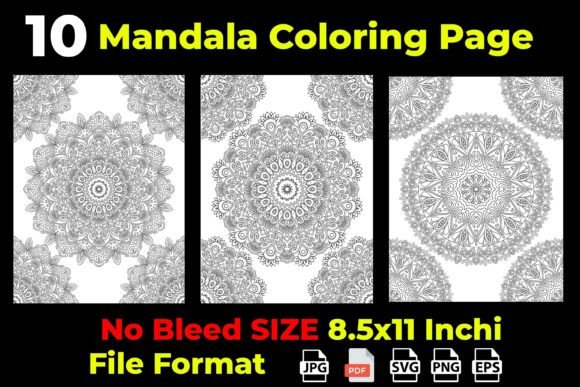
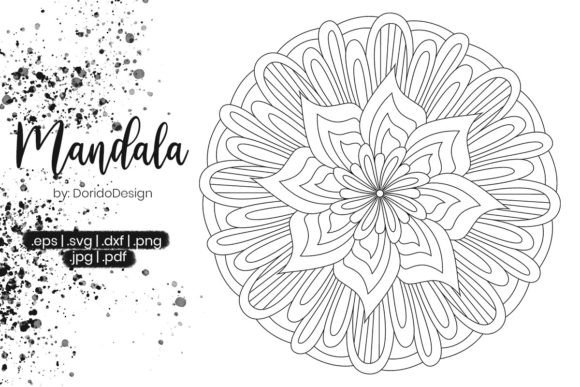
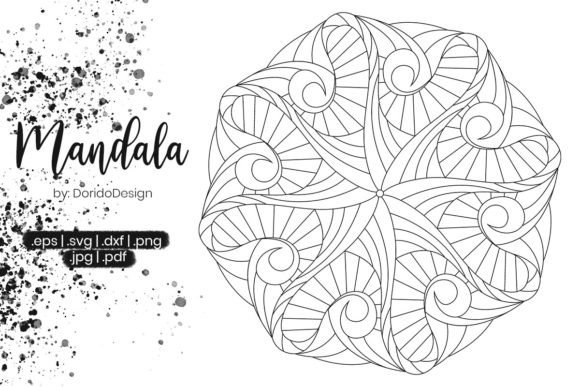
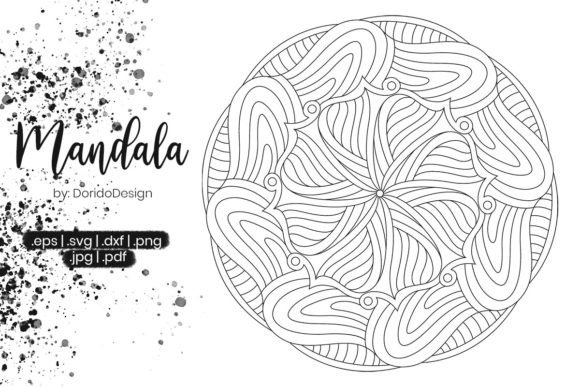
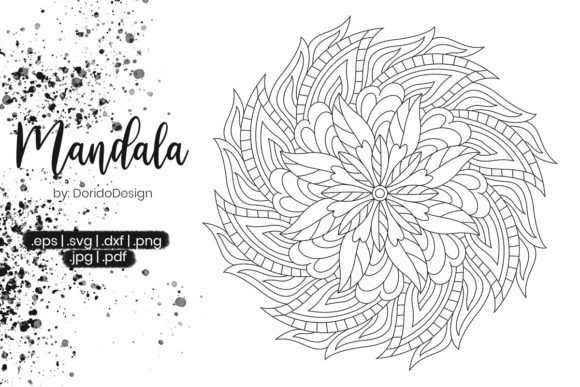
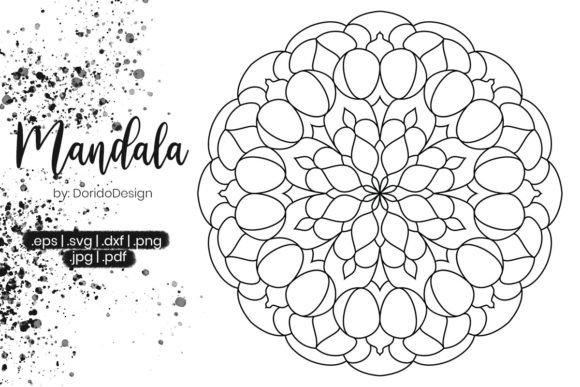
When I opened Mandala Coloring Page Vol.015, my eye didn’t jump—it settled. That’s rare. Most mandalas in the Coloring Pages Amp category lean into high-density symmetry or fussy linework that reads as busy on fabric. This one breathes. The layout balances bold outer rings with delicate inner flourishes, and the line weight stays consistent—not too thin to vanish in stitching, not so thick it swallows detail. It feels intentional, like a designer paused before finalizing each curve. For embroidery, that translates directly to stitch clarity and visual calm—exactly what customers want on a baby onesie, a linen tea towel, or a boutique apron.
Real Project Test: Embroidering It onto a Linen-Cotton Tote Bag for a Local Gift Shop
Last week, I prepped Mandala Coloring Page Vol.015 for a custom tote bag order—natural linen-cotton blend, medium-weight, no stretch. I converted it to a machine embroidery design using standard fill and satin stitch zones (no applique design needed here—the outlines are clean enough to stitch cleanly as-is). On the hoop, it held its shape beautifully—even the tiny petal clusters at the center stayed legible after digitizing. Customers who saw the finished tote responded immediately: “It looks handmade, but precise.” That duality is gold for small shop products. It doesn’t scream “digital file”—it reads as thoughtful, slow-made craftsmanship.
Where It Shines—and Where You’ll Want to Pause
- Custom apparel: Works well on sweatshirt embroidery and relaxed-fit tees—especially when placed off-center or on sleeves. The rhythm of the pattern softens bulk without overwhelming the garment.
- Baby embroidery: Gentle enough for onesies and burp cloths. No sharp angles or micro-details that snag or irritate sensitive skin.
- Holiday embroidery & wedding gifts: Stitches cleanly on ivory cotton napkins or velvet pouches—adds quiet elegance without needing metallic thread.
- Embroidered patch: Holds up beautifully when stitched on twill backing and heat-applied. Clean outer edge makes cutting and finishing fast.
- Printable mockup & digital product previews: As a Graphics asset, it scales crisply for Etsy listings—works equally well in black-and-white product shots or soft pastel lifestyle renders.
Use With Care On These Surfaces
Mandala Coloring Page Vol.015 isn’t built for every surface—and that’s okay. Its strength is intentionality, not universality. Avoid it on:
- Ultra-thin fabrics (like chiffon or lightweight rayon) where fine lines may blur or pucker;
- Highly textured knits (think bouclé or heavy cable sweaters) unless you add extra stabilizer and reduce stitch density;
- Curved surfaces like caps—those tight inner rings can distort if hooped poorly;
- Dark fabric without testing thread color contrast first—some mid-tone grays in the design fade visually without a crisp white or cream underlay;
- Products meant for frequent washing (like kids’ towels) unless you verify stitch density holds up—tight fills can stiffen over time.
What It Adds to Your Craft Business—Beyond Just Looks
This isn’t just another coloring page repurposed as an embroidery file. Mandala Coloring Page Vol.015 carries mood, cohesion, and quiet confidence. When used thoughtfully, it lifts perceived value: a $28 embroidered pillow cover feels like a curated home good, not a craft fair afterthought. For Etsy sellers, that means better conversion from thumbnail to cart. For boutique branding, it supports consistency—imagine pairing it with a simple serif font on packaging or tags. And for personalized gifts? It reads as meaningful, not mass-produced. One client told me her grandmother cried when she opened a linen sachet embroidered with this mandala—“It felt like care was stitched into every loop.” That kind of emotional resonance doesn’t come from complexity. It comes from balance.
Practical Designer Notes Before You Stitch
Before committing to your next batch of finished product, run these checks:
- Test on scrap fabric first—especially if you’re using it on a new substrate like terry cloth or recycled denim;
- Review stitch density in your embroidery software—some versions of this design may layer fills tightly; loosen if needed for breathability;
- Confirm hoop size—the full motif fits comfortably in a 5x7 hoop, but tighter placements (like cap fronts) may require cropping or simplifying inner elements;
- Inspect small details at actual stitch scale—zoom in on those center dots and leaf tips to ensure they won’t collapse or feather;
- Try black-and-white mockups—this design gains strength in monochrome, which helps gauge contrast on light/dark backgrounds;
- Use proper stabilizer—medium-weight cutaway for stable wovens, tear-away for lighter cottons;
- Check licensing before selling finished items or reselling the digital embroidery file—this is a Graphics asset, not automatically commercial-use cleared.
Final Thought: Not Every Mandala Belongs on Fabric—This One Does
Mandala Coloring Page Vol.015 earns its place in real embroidery work because it respects both the maker and the wearer. It doesn’t ask for perfection—it invites presence. Whether you’re stitching it on a holiday gift for a friend, building a cohesive collection for your small shop product line, or creating a signature motif for your craft business, it performs with quiet reliability. It’s the kind of design that makes customers pause, then say, “I need that in my life.” And as someone who’s digitized, stitched, sold, and gifted hundreds of embroidery projects—you learn quickly which designs actually deliver on that feeling. This one does.