Luxury Mandala Design Pattern: An Embroidery Designer's Review
I have spent years testing designs across different machines, fabrics, and product types. When a mandala design lands on my desk, I do not just look at the preview. I think about how the stitches will actually fall, how the thread will catch the light, and whether a customer would feel proud to unwrap the finished piece. The Luxury Mandala Design Pattern caught my attention immediately because it belongs to a category that consistently performs well in the handmade market, yet it carries a distinct personality that sets it apart from the generic floral mandalas I see everywhere.
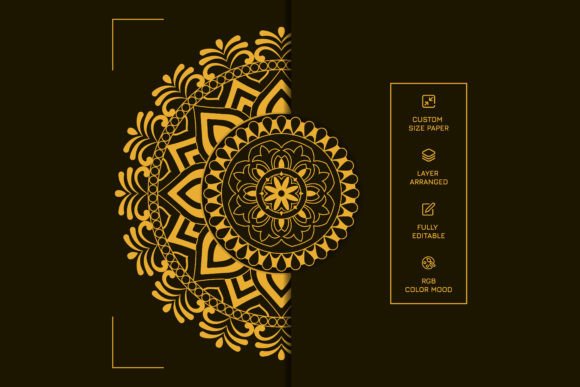
This design is described as a luxury ornamental mandala abstract background with floral patterns, rooted in an ethnic Indian oriental style. It is marketed as suitable for henna, mehndi, tattoo inspiration, and decorative work. But I am evaluating it strictly as a machine embroidery design asset, the kind you would stitch onto a real product, photograph for a listing, and hand to a paying customer. My perspective is shaped by years of preparing files for Etsy sellers, craft business owners, and small shop merchandise lines. Here is what I noticed after spending time with this pattern and imagining it through the lens of an actual embroidery project.
First Impression: The Mood Comes Through Instantly
The moment I opened the Luxury Mandala Design Pattern, I felt a sense of calm symmetry. It is not overly busy, yet it carries enough detail to feel substantial. The floral elements weave into the circular mandala structure in a way that reads as intentional rather than cluttered. This is important because in embroidery, every unnecessary detail becomes a stitch that can pull, distort, or confuse the eye. This design avoids that trap. The balance between open space and ornamentation feels thoughtful, and the vintage decorative quality gives it a warmth that would translate beautifully into thread.
I could immediately picture this on a natural linen pillow cover, stitched in a muted gold or deep terracotta thread. The ethnic oriental influence is clear but not so specific that it limits the design to one niche. It would look equally at home on a bohemian tote bag, a bridal gift, or a boutique apparel piece. That versatility matters when you are building a product line or preparing a digital embroidery file for a customer who might use it in ways you never anticipated.
Where This Design Naturally Belongs
After studying the layout and detail level, I started mentally matching the Luxury Mandala Design Pattern to product categories. The circular composition makes it a natural fit for tote bag design center panels, pillow cover fronts, and the back of embroidered denim jackets. The floral mandala structure also works exceptionally well for personalized gift items, especially wedding presents, anniversary keepsakes, and holiday decor pieces where the ornate vintage feel adds perceived value.
I could see this stitched onto a heavyweight cotton apron for a boutique kitchen brand, or placed on a tea towel as part of a curated gift set. For custom apparel, the design would sit beautifully on the upper back of a sweatshirt or the front of a relaxed-fit t-shirt. The circular shape naturally draws the eye inward, creating a focal point that makes the finished product look intentional and professionally designed.
For baby embroidery and nursery decor, I would consider scaling it down slightly and using softer thread colors. The floral patterns have a gentle, nurturing quality that would work on a crib blanket or a decorative wall hanging. The key is respecting the detail level at smaller sizes, which I will address shortly.
Real Project Scenario: The Custom Tote That Changed My Mind
Let me ground this in a concrete example. I recently worked with a small shop owner who wanted to create a line of embroidered canvas totes for her boutique. She had tried several mandala designs before, and most either stitched too densely, causing the fabric to buckle, or lacked the visual impact she needed to justify a premium price point. When I reviewed the Luxury Mandala Design Pattern with her needs in mind, several things clicked into place.
She chose a medium-weight natural canvas and a variegated thread that shifted between deep burgundy and soft rose. The design stitched out with clean definition. The floral elements read clearly at arm's length, and the vintage ornamental character gave the tote a handmade heirloom quality that flat, simple designs simply cannot achieve. Her customers responded immediately. The tote sold out at her next craft fair, and she told me afterward that buyers kept picking it up, tracing the stitches with their fingers, and asking about the story behind the pattern.
That is the kind of reaction a well-chosen embroidery design can trigger. It transforms a basic product into something memorable. The Luxury Mandala Design Pattern has that potential because it carries enough visual weight to feel luxurious without being so complex that it becomes a stitching nightmare.
Practical Considerations Before You Stitch
Now, the honest part. Not every beautiful design stitches out beautifully. I have learned to check certain things before committing to a project, and I recommend the same discipline to anyone using this pattern for a finished product they plan to sell or gift.
Hoop Size and Detail Scaling
Mandala designs with floral patterns need room to breathe. If you try to cram this into a small hoop, the finer details may blur together or, worse, turn into a dense block of stitches that feels stiff and uncomfortable on wearable items. I would test the design at the largest hoop size your machine supports, then gradually scale down to see where the detail begins to suffer. For embroidered patch applications, a medium size around four to five inches across should preserve enough clarity. Anything smaller, and I would consider simplifying or choosing a different design altogether.
Fabric Choice and Stabilizer
This design relies on clean lines and balanced ornamentation. On textured fabrics like terry cloth or heavy slub linen, the fine floral details may lose definition. I would stick to smooth, stable fabrics for the best result. Think quilting cotton, canvas, twill, or a tightly woven linen blend. For stretchy fabrics, a cut-away stabilizer is non-negotiable. The stitch density of a mandala like this can cause distortion on knits if the stabilizer is insufficient. I always test on scrap fabric first, matching the fabric type and stabilizer combination I plan to use on the final product.
Thread Color and Contrast
The vintage personality of the Luxury Mandala Design Pattern shines best with thread colors that complement its ethnic ornamental roots. I have seen similar designs look stunning in gold, copper, deep teal, rust, and ivory. High-contrast combinations, like white thread on black fabric, can work but require careful attention to stitch density and any slight gaps that might reveal the background. I recommend testing the design in a black-and-white mockup before committing to a dark fabric project. This simple step reveals whether the design holds its shape without relying on color to carry the visual structure.
Commercial Use and Customer Perception
For Etsy seller and small shop product creators, the designs you choose directly shape your brand identity. A pattern like this signals a certain aesthetic, one that leans toward artisan craftsmanship, cultural appreciation, and timeless elegance. Customers who gravitate toward mandala and floral motifs tend to value quality over quantity. They notice stitch consistency. They care about how the back of the embroidery looks. They will leave a review mentioning whether the product exceeded their expectations or merely met them.
Using the Luxury Mandala Design Pattern on a handmade product positions your work in a higher perceived value bracket. The ornate character of the design implies effort and care, even if the stitching itself is machine-guided. This is a psychological advantage in a crowded marketplace. When a buyer scrolls through dozens of listings, a well-executed mandala embroidery grabs attention because it suggests complexity and artistry.
Before listing any product featuring this design, however, confirm the commercial embroidery licensing terms. The product description places this in the Graphics category under Backgrounds, but that does not automatically grant permission for finished product sales or digital product redistribution. I always advise checking the license carefully, especially if you plan to sell the embroidery file itself or include it in a design assets bundle. If the license is unclear, contact the seller before investing time in production.
Holiday and Gift Market Potential
The Luxury Mandala Design Pattern fits naturally into the holiday embroidery and gift market. I can easily picture it on a set of embroidered kitchen towels wrapped in twine for a holiday gift, or stitched onto a velvet pillow cover for a wedding present. The vintage ornamental quality carries a celebratory feeling without being tied to a specific season, which means the same design can work for Christmas, Mother's Day, bridal showers, and housewarming gifts.
For craft business owners who participate in holiday markets, this versatility reduces inventory risk. The same embroidered product can appeal to different customer segments throughout the year. A mandala tote does not need to be labeled as a holiday item. It simply works wherever it is displayed.
What I Would Watch Carefully
I want to share a few specific cautions based on experience with similar designs. First, the curved surfaces of caps and hats can distort circular mandala patterns. The center of the design may stitch cleanly, but the outer edges can warp as the fabric curves away from the hoop. If you plan to use this on headwear, test it thoroughly on a structured cap before offering it to customers.
Second, layered garments with seams running through the embroidery area can cause registration issues. The satin stitch borders and fill stitch sections may shift if the needle encounters uneven fabric thickness. Plan your placement to avoid seams whenever possible.
Third, items that need frequent washing, such as baby clothes or everyday t-shirts, demand extra attention to thread quality and stabilizer choice. The running stitch underlay and overall stitch density should be balanced enough to survive repeated laundering without fraying or puckering. I always wash a test sample at least three times before declaring a design ready for sale.
Final Practical Notes for Designers and Makers
If you are preparing to use the Luxury Mandala Design Pattern in your next embroidery project, here are the steps I recommend based on how I approach every new design:
- Test on scrap fabric first. Use the same fabric type, stabilizer, and thread brand you plan to use on the final product.
- Check thread color contrast. Dark thread on light fabric, light thread on dark fabric, and tonal combinations all behave differently. Test at least two variations.
- Review stitch density. If the design feels stiff or causes the fabric to ripple, adjust density settings before stitching on a valuable blank.
- Confirm hoop size. Measure the design dimensions precisely and ensure your machine can accommodate the full pattern without re-hooping.
- Inspect small details. Zoom in on the floral elements and check whether the fill stitch patterns maintain clarity at your intended size.
- Test in black and white. A grayscale mockup or a quick stitch-out in a single neutral color reveals whether the design structure holds up without relying on color variation.
- Compare light and dark fabric backgrounds. The same design can look dramatically different on natural canvas versus charcoal denim.
- Use proper stabilizer. Do not cut corners here. A high-quality cut-away or tear-away stabilizer matched to your fabric type prevents long-term issues.
- Confirm licensing. Before selling finished items or including the design in a digital embroidery file collection, verify that your intended use is permitted.
The Luxury Mandala Design Pattern earns its place in a serious embroidery library. It brings a vintage ornamental elegance that translates well into stitched products, and its floral mandala structure offers the kind of visual impact that makes customers stop scrolling and start buying. It is not a design for every product or every fabric, but when matched to the right project, it delivers a level of craftsmanship that feels far more expensive than it actually is. That is the sweet spot every embroidery designer and small business owner should be chasing.